
The 15-Month Shift: When Your Toddler's Curiosity Outgrows Your House







Somewhere around 15 months, it happens.
Suddenly, they're into everything
The cupboards get emptied. The toilet paper gets unrolled. Every drawer, basket, and bottom shelf becomes something to explore.
It can feel like chaos. But it's actually one of my favorite stages, because it's when their curiosity starts to outgrow their world and their personality really starts to show.
I've watched this shift happen with all three of my kids. Here's what they taught me, and the simple changes that helped us welcome that curiosity instead of fighting it all day.
What three kids taught me about this stage
With my firstborn, I thought I had everything figured out. I had the books, the milestones, and a pretty clear picture of what should happen when.
Then my second came along and taught me something different: every child has their own path. It isn't fair to hand them a checklist and a timeline. All three of my kids hit this curious stage around the same age, but what caught their attention, and how they explored it, looked completely different.
What I've learned is this. The more time we spend getting to know who our kids are and what they love, and the more we follow those interests, the more we grow their love for learning. When we build a home that nurtures their curiosity, they grow right along with it.
Invite them in instead of keeping them out
When this stage hit, my first instinct was to block it. Put up a baby gate, lock every cupboard, and keep them out of as much of the house as I could.
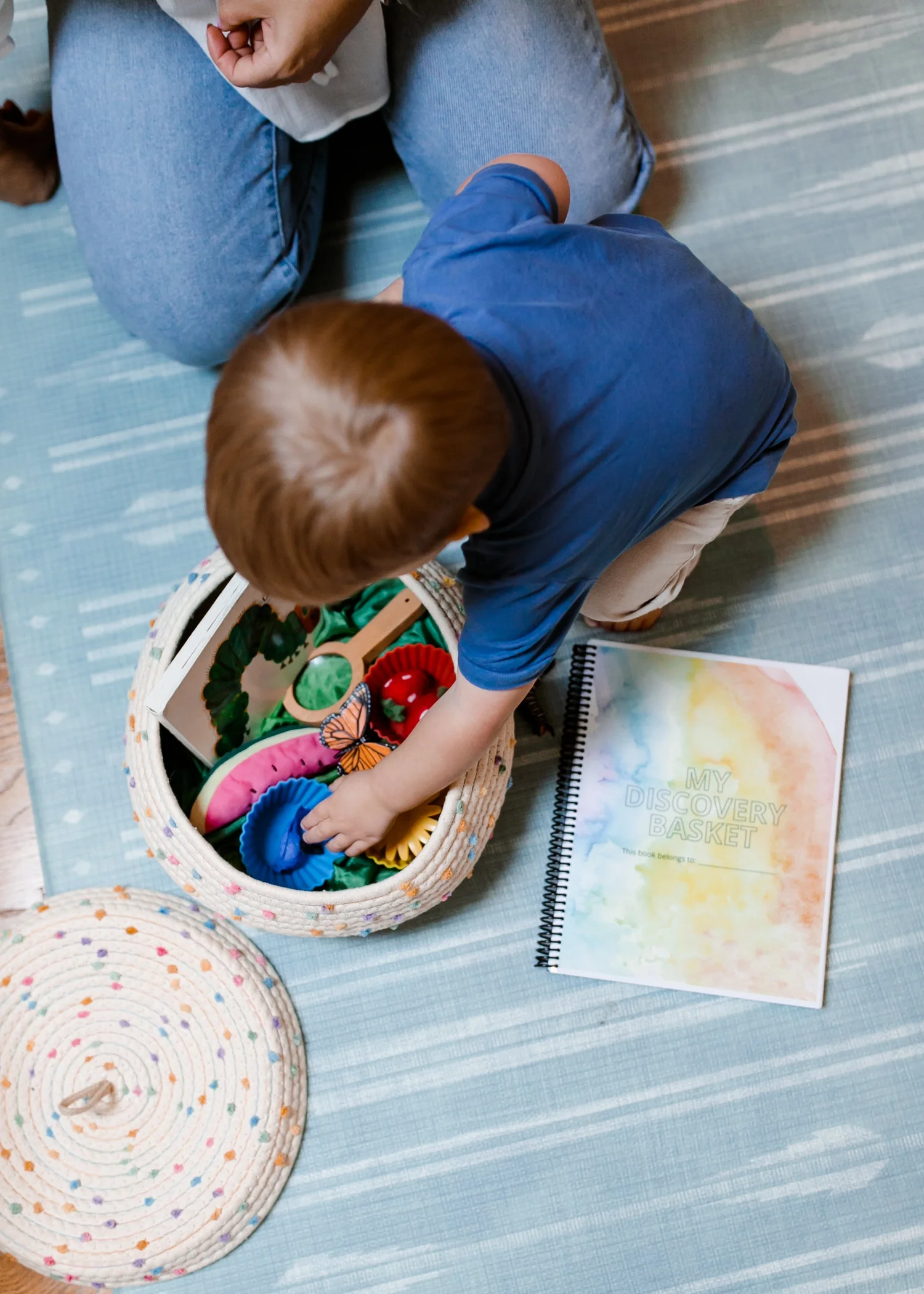
Instead, I put a basket on the floor near me and let them explore right there.
I also started teaching them how things work. We practiced opening a cabinet gently, looking at what's inside, and putting everything back when we were done. It takes more patience at first. But toddlers are far less likely to wreak havoc on a cupboard once they're invited to understand it.
At this age, they don't want to be kept away from real life.
They want to be part of it.
Make a learning basket of everyday things
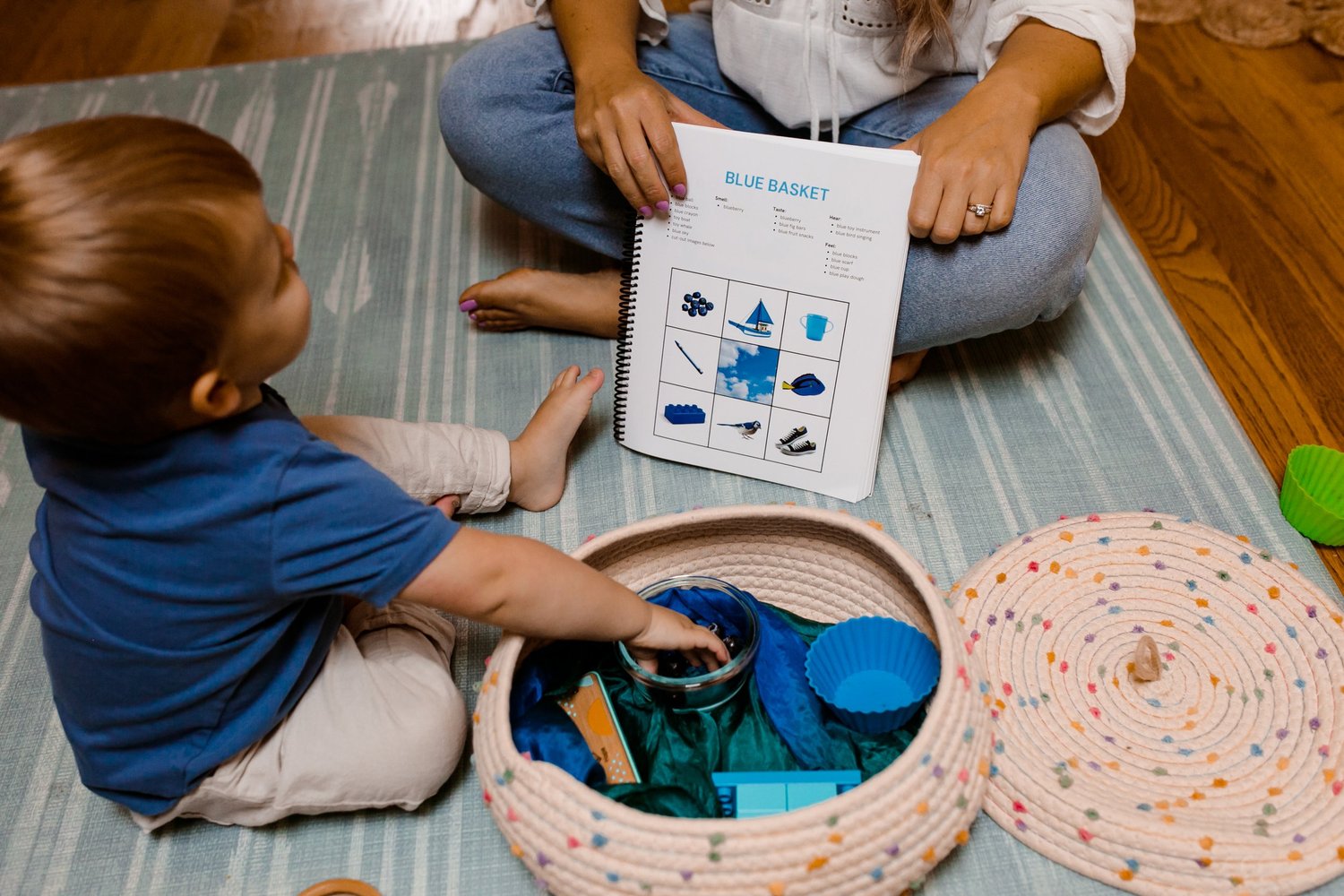
A learning basket is a positive invitation to play. Fill it with regular things from around your home, and set it somewhere your toddler can reach.
It doesn't have to be all toys. In fact, at this age they're often more interested in the things they see you using every day. If your toddler keeps reaching for the remote, your keys, or the whisk, that's not misbehavior. That's curiosity about how your world works.
You don't need to get rid of their toys. Just keep giving them chances to handle real, everyday objects so they can understand them. A few ideas for your basket:
A whisk, wooden spoons, measuring cups, a small pot with a lid, a silicone muffin tin.
An old remote (batteries out, cover taped shut), a ring of old keys, a clean wallet, a small flashlight.
Scarves, fabric scraps, a hairbrush, sturdy board books, a box with a lid that opens and closes.
A quick safety check: At this age, everything goes in the mouth. Skip anything small enough to fit through a toilet paper tube, anything with button batteries or magnets, and anything with long cords or strings. Stay close while they explore, and swap items out every week or two to keep it interesting.
Want ready-made ideas? Baby's First Morning Basket is full of simple, hands-on activities for ages 1 to 2 that pair perfectly with a learning basket.
Take a tour of your home at their eye level
When my first hit this stage, I dove into learning how toddlers this age take in the world: by touching, moving, watching, and copying. It was fascinating, and it changed how I saw our home.
The best thing I ever did was simple. I got down on my knees and took a tour of our house from my child's point of view.
Try it this week. As you go room by room, ask yourself:
- What can they actually see from down here?
- Can they reach their books on their own?
- Is there a low shelf or basket that's just for them?
- Can they hold a whisk or a wooden spoon while I cook?
- What keeps catching their eye that I could make safe to explore?
- What could I bring down to their level to invite play, reading, or helping?
You don't need a playroom makeover. Usually one low shelf, one basket, and a few real objects are enough to change how your days feel.
What I still keep locked up
Inviting curiosity doesn't mean taking down every safety measure. Some things stay locked or up high in our house, no matter what:
- Cleaning supplies, laundry pods, and dishwasher detergent
- Medicines, vitamins, and anything in a purse or diaper bag
- Knives, scissors, and sharp kitchen tools
- Button batteries, magnets, and small electronics
- Anything with long cords, like blind cords and chargers
Anchor heavy furniture to the wall, too. A curious climber will test every dresser and bookshelf.
The goal isn't a house with no limits. It's a house where most of what they can reach is safe to explore, so you can say yes far more often than no.

Curiosity is the point
The emptied cupboards and unrolled toilet paper won't last forever. What we're really building in this stage is a child who loves to explore, figure things out, and learn. That's worth protecting.
If you'd like a gentle way to channel all that curiosity, Baby's First Morning Basket was made for exactly this age. It's full of simple, hands-on activities for ages 1 to 2 that use what you already have at home.
Shop the Baby KitNew to morning baskets? Start with What Is a Morning Basket? How to Start One With Your Toddler.

With Joy,
Lauren
Mom of three and creator of Joy of Creative Play
